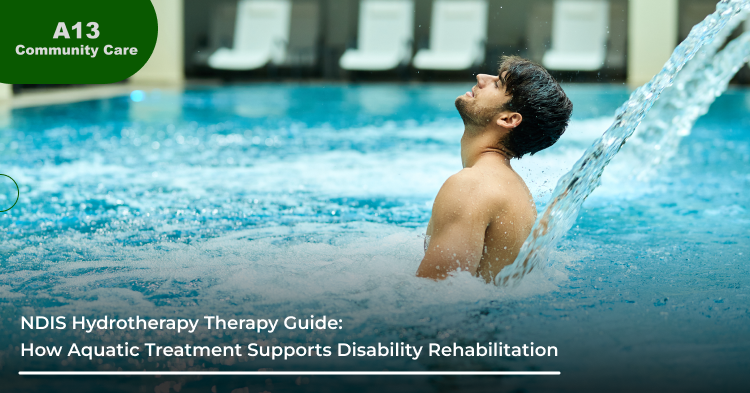
NDIS Hydrotherapy Therapy Guide: How Aquatic Treatment Supports Disability Rehabilitation
Water-based therapy has become an important part of disability rehabilitation. It provides a safe and supportive environment for movement and exercise. Many participants find aquatic therapy easier than traditional land-based therapy.
Programs such as NDIS Hydrotherapy help people improve mobility, flexibility, and strength through guided water exercises. These programs are designed to support rehabilitation and long-term health outcomes.
Providers like A13 Community Care offer professional aquatic therapy sessions in Australia. Their programs support individuals with different mobility needs while ensuring a safe and comfortable therapy environment.
Understanding Hydrotherapy in Disability Rehabilitation
Hydrotherapy is widely used in rehabilitation programs. It combines therapeutic exercises with the natural support of warm water.
What Is Hydrotherapy and How Does It Work?
Hydrotherapy uses water to support therapeutic movement and rehabilitation exercises. Warm water reduces pressure on joints and muscles, allowing easier movement.
This form of therapy often takes place in specialized Hydrotherapy pools designed for rehabilitation. Water resistance helps strengthen muscles while providing gentle support.
Why Water-Based Therapy Is Effective for Physical Recovery
Water creates natural resistance during movement. This resistance helps improve muscle strength without placing strain on the body.
Aquatic therapy also improves circulation and flexibility. Many rehabilitation specialists recommend water-based therapy for people recovering from injuries or mobility limitations.
How NDIS Hydrotherapy Supports Rehabilitation Programs
Many participants access aquatic therapy through NDIS Hydrotherapy programs. These programs provide structured rehabilitation sessions supervised by trained professionals.
Participants can practice movements safely in water. The supportive environment helps improve physical strength and balance during recovery.
How NDIS Hydrotherapy Helps Improve Mobility and Strength
Aquatic therapy offers several physical benefits. Water reduces pressure on the body while still providing resistance for exercise.
Reducing Joint Pressure with Water Resistance
Water naturally supports body weight. This reduces stress on joints and muscles during exercise.
Participants can perform movements in water that may be difficult on land. This makes NDIS Hydrotherapy helpful for individuals with joint pain or mobility challenges.
Improving Muscle Strength and Balance
Water resistance creates gentle strength training. Every movement in water works multiple muscle groups.
Regular aquatic therapy sessions can improve muscle control and balance. Over time, participants may experience better stability and coordination.
Supporting Neurological and Physical Rehabilitation
Hydrotherapy is often used for neurological rehabilitation. It helps participants practice controlled movements in a safe environment.
Programs like Hydrotherapy NDIS services support individuals with conditions that affect movement, coordination, and muscle strength.
How NDIS Hydrotherapy Supports Long-Term Recovery
Consistent therapy improves long-term physical outcomes. Water-based exercises allow gradual strength development.
With regular sessions, NDIS Hydrotherapy can support rehabilitation goals and help participants regain independence.
Key Benefits of Aquatic Therapy for People with Disabilities
Aquatic therapy offers many advantages for rehabilitation. The water environment reduces physical strain while supporting controlled exercise.
Participants often feel more confident performing exercises in water. This makes therapy sessions more comfortable and effective.
Programs offered by A13 Community Care focus on safe, guided rehabilitation through aquatic therapy.
Main Benefits of Hydrotherapy
Aquatic therapy supports several physical and rehabilitation benefits.
- Reduced joint stress
- Improved flexibility
- Better circulation
- Increased muscle strength
- Safer rehabilitation exercises
These benefits make NDIS Hydrotherapy a valuable therapy option for many participants.
Overview of Aquatic Therapy Programs
Rehabilitation programs may use either land-based therapy or aquatic therapy. Each method provides unique benefits.
Land-Based Therapy vs Aquatic Therapy
| Therapy Type | Environment | Impact on Joints | Best For | Example Exercises |
|---|---|---|---|---|
| Land-Based Physiotherapy | Gym or clinic | Moderate pressure on joints | Strength and functional training | Stretching, resistance exercises |
| Hydrotherapy Programs | Warm water pool | Low joint pressure | Mobility and rehabilitation | Walking in water, gentle resistance movements |
Aquatic therapy creates a safer environment for people with mobility challenges. The water supports the body while allowing controlled exercise.
This is why NDIS Hydrotherapy is widely used in rehabilitation programs across Australia. Participants can practice movements safely while gradually improving strength and flexibility.
Hydrotherapy Facilities at A13 Community Care
Quality facilities are essential for safe and effective aquatic therapy.
Providers like A13 Community Care offer professional environments designed for rehabilitation.
Professional Hydrotherapy Programs
Therapists design aquatic therapy sessions based on individual needs. Exercises focus on improving mobility, balance, and muscle strength.
These programs ensure participants receive safe and guided rehabilitation support.
Specialized Rehabilitation Support
Therapists monitor participant progress during therapy sessions. This ensures exercises remain safe and effective.
Many programs within NDIS Hydrotherapy are designed to support gradual rehabilitation progress.
Hydrotherapy Pool and Rehab Gym at A13 Community Care
The Hydrotherapy Pool and Rehab Gym at A13 Community Care provides a supportive environment for rehabilitation. These facilities are designed specifically for therapeutic exercises.
Participants can perform guided water exercises in a controlled and accessible environment.
Safe and Accessible Therapy Environment
Accessibility is important for participants with mobility challenges.
Facilities offered by A13 Community Care include safe pool access and supportive equipment to assist therapy sessions.
Who Can Benefit from Hydrotherapy Through NDIS
Aquatic therapy supports a wide range of participants with different rehabilitation needs.
Participants with Mobility Challenges
People with mobility limitations may find water-based therapy easier than land-based exercises.
Programs such as NDIS Hydrotherapy provide a supportive environment for movement and rehabilitation.
People Recovering from Injuries
Hydrotherapy is often recommended for injury recovery. Water reduces stress on joints and muscles during rehabilitation.
This makes aquatic therapy suitable for gradual recovery.
Individuals with Neurological Conditions
People with neurological conditions may benefit from controlled water exercises.
These exercises help improve coordination, muscle strength, and balance.
Participants Seeking Gentle Rehabilitation
Some individuals require low-impact therapy. Aquatic therapy provides gentle rehabilitation while still improving physical strength.
Participants who ask is hydrotherapy covered by NDIS often learn that it can be included when it supports therapy goals.
How NDIS Hydrotherapy Supports Long-Term Rehabilitation Goals
Consistent therapy plays an important role in rehabilitation. Aquatic therapy helps participants stay active and motivated.
Encouraging Regular Physical Activity
Water-based therapy can make exercise more enjoyable. Many participants find aquatic sessions less physically demanding.
This encourages regular participation in rehabilitation programs.
Supporting Independence and Confidence
Improved strength and mobility help participants feel more confident in daily activities.
Regular NDIS Hydrotherapy sessions can support independence and physical confidence.
Helping Participants Achieve Therapy Goals
Therapy goals often focus on improving mobility, strength, and balance.
Guided aquatic programs help participants gradually reach these rehabilitation milestones.
Improving Overall Wellbeing
Physical activity contributes to overall health and wellbeing. Aquatic therapy can also improve mental confidence and relaxation.
Programs offered by A13 Community Care support both physical and emotional wellbeing.
Frequently Asked Questions About NDIS Hydrotherapy
What is NDIS Hydrotherapy?
NDIS Hydrotherapy is a water-based rehabilitation therapy supported through the National Disability Insurance Scheme. It uses warm water exercises to improve strength, mobility, and flexibility. Trained therapists guide participants through safe movements designed to support rehabilitation and physical recovery goals.
Is hydrotherapy covered by NDIS?
Hydrotherapy may be covered by the NDIS when it supports a participant’s therapy goals. Funding is usually included under therapy or capacity-building supports. Participants should consult their therapist or plan coordinator to confirm if hydrotherapy is appropriate within their plan.
Who can benefit from hydrotherapy programs?
Hydrotherapy programs can help individuals with mobility limitations, neurological conditions, and injury recovery needs. Water-based exercises reduce joint pressure while supporting muscle strengthening. This makes aquatic therapy suitable for many participants seeking safe rehabilitation options.
What exercises are done in hydrotherapy pools?
Exercises in therapy pools include gentle walking, stretching, resistance movements, and balance activities. These exercises are guided by therapists and designed to improve mobility and strength. The supportive water environment helps participants perform movements safely during rehabilitation.
Why choose A13 Community Care for hydrotherapy?
A13 Community Care provides professional aquatic therapy programs designed for rehabilitation. Their experienced team offers guided therapy sessions in safe and accessible facilities. Participants receive personalised support to help improve mobility, strength, and overall wellbeing through structured hydrotherapy programs.
Final Thoughts on NDIS Hydrotherapy for Rehabilitation
Aquatic therapy plays an important role in disability rehabilitation. The supportive water environment allows participants to perform exercises safely while improving strength and mobility.
Programs such as NDIS Hydrotherapy help individuals achieve therapy goals and maintain long-term physical wellbeing.
Providers like A13 Community Care offer professional therapy sessions designed to support NDIS participants. Their specialised facilities and experienced therapists help individuals improve mobility, confidence, and overall quality of life through guided aquatic rehabilitation programs.