

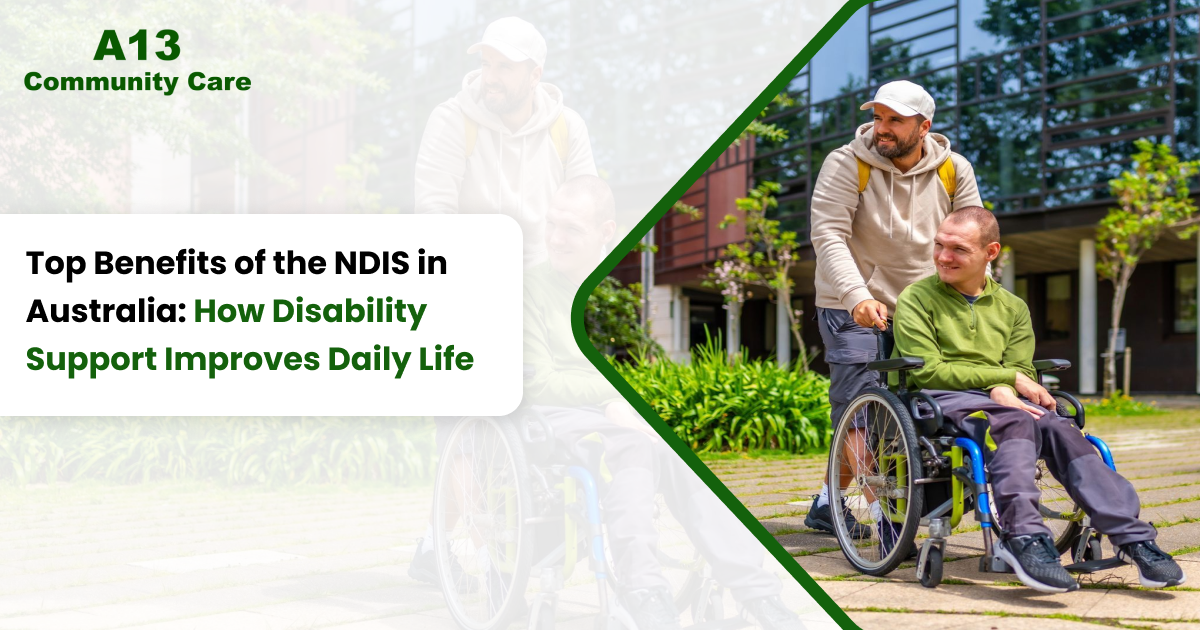
Top Benefits of the NDIS in Australia: How Disability Support Improves Daily Life
Living with a disability can present unique challenges, but the right support can make everyday life more manageable, independent, and fulfilling. Across Australia, thousands of participants receive funding and services that help them achieve personal goals, build confidence, and improve their quality of life.
The NDIS has transformed disability support by providing participants with greater choice, flexibility, and control over the services they receive. Instead of relying on a one-size-fits-all approach, participants can access supports that align with their individual needs, aspirations, and lifestyles.
From therapy services and community participation programs to skill-building activities and specialised support, disability funding helps participants lead more independent and meaningful lives.
This guide explains the major benefits of disability support and how it can positively impact participants, families, and carers across Australia.
Understanding How the NDIS Supports Everyday Living
Disability support is designed to help participants achieve greater independence while improving their ability to manage daily activities. Funding can be used for a variety of supports that enhance wellbeing, confidence, and community involvement.
The NDIS focuses on individual goals rather than limitations. Each participant receives support based on their specific circumstances and future aspirations. This personalised approach helps individuals access services that create meaningful improvements in daily life.
Participants may receive assistance with personal care, transport, therapy, skill development, social participation, and many other support services that contribute to long-term independence.
Key benefits include:
- Greater choice and flexibility
- Improved independence
- Better access to support services
- Enhanced quality of life
- Stronger community participation
Why the NDIS Creates More Choice and Control for Participants
One of the most significant advantages of disability funding is the ability to make personal decisions regarding support services. Participants can choose providers, therapies, and programs that best suit their individual needs.
This flexibility encourages greater involvement in decision-making and helps participants feel more empowered throughout their support journey.
Having control over support arrangements also improves satisfaction and allows participants to adapt services as their needs change over time.
How the NDIS Helps People Achieve Personal Goals
Every participant has unique goals. Some may focus on developing independence, while others aim to improve communication skills, gain employment, increase social participation, or enhance physical wellbeing.
Funding supports goal achievement by providing access to services and programs that encourage personal growth and development. Regular support and professional guidance help participants make steady progress toward both short-term and long-term objectives.
Long-Term Advantages of the NDIS for Independence
Consistent access to appropriate support services can significantly improve long-term independence. Participants develop practical skills, build confidence, and become more capable of managing everyday responsibilities.
Over time, increased independence can lead to improved wellbeing, stronger community involvement, and greater personal satisfaction.
Key Benefits of the NDIS for Participants and Families
Disability support provides benefits not only for participants but also for families and carers. Access to professional services reduces stress, improves planning, and creates a stronger support network.
Families often gain peace of mind knowing that participants are receiving reliable assistance tailored to their individual needs.
Support services can also improve family relationships by reducing caregiving pressures and encouraging greater participant independence.
Major benefits include:
- Personalised support plans
- Better access to professional services
- Increased independence
- Reduced caregiver stress
- Improved confidence and wellbeing
How the NDIS Improves Access to Essential Support Services
Participants can access a wide range of services designed to support physical, emotional, and social wellbeing.
Working with an experienced NDIS Provider ensures participants receive high-quality support tailored to their individual circumstances.
These services may include personal care, therapy, community access, transport assistance, and specialised support programs that contribute to better daily living outcomes.
Building Confidence Through Skill Development and Community Participation
Developing practical skills is an important part of achieving independence. Many participants benefit from programs that focus on communication, decision-making, personal development, and daily living activities.
Activities that build Life Skills help participants become more confident and capable in managing everyday responsibilities.
Community participation also encourages social connections, personal growth, and improved overall wellbeing.
How the NDIS Improves Quality of Life Across Australia
Quality of life improves when participants have access to reliable support systems that help them overcome daily challenges and achieve meaningful goals.
The NDIS supports participants by providing funding for services that improve physical health, emotional wellbeing, social participation, and independence.
Participants can choose services that align with their personal goals while receiving professional guidance throughout their journey.
Improved support often leads to better confidence, stronger relationships, and greater community engagement.
The Role of Professional Disability Support in Daily Success
Professional support services help participants navigate challenges and access resources that promote long-term success.
Many participants work with NDIS Registered Providers that deliver structured services designed to improve daily living outcomes and personal development.
Reliable support encourages consistency, accountability, and steady progress toward individual goals.
Accessing Professional Disability Services Through Registered Providers
Choosing the right provider can significantly influence the overall support experience.
Participants often prefer working with NDIS Registered Providers because they follow quality and compliance standards designed to protect participant wellbeing.
Registered providers deliver services that meet established requirements and focus on participant-centred care.
These providers often offer a broad range of support options, making it easier for participants to access multiple services through one organisation.
Why Support Planning Matters for Better Outcomes
Support planning plays a critical role in helping participants make informed decisions regarding their services and funding.
Working with a qualified Support Coordinator can simplify the process of accessing services, managing providers, and achieving personal goals.
Professional Support Coordination services help participants understand available options and build effective support networks.
Good planning improves service delivery, reduces confusion, and ensures funding is used effectively.
The Importance of Therapy and Capacity-Building Supports
Therapy services help participants develop skills, improve mobility, and increase independence.
Many individuals benefit from Occupational therapy NDIS services that focus on practical skills required for everyday activities.
Therapists work closely with participants to identify challenges and develop strategies that improve independence at home, in the workplace, and within the community.
Capacity-building supports also encourage confidence, self-management, and personal growth.
How Community Participation Encourages Greater Independence
Social engagement is an important aspect of overall wellbeing.
Community participation programs help participants build relationships, develop confidence, and become more involved in social activities.
Participants can attend events, join community groups, participate in recreational programs, and explore opportunities that encourage personal development.
These experiences often lead to stronger social connections and improved emotional wellbeing.
Comparing Life Before and After Receiving Disability Support
Understanding the impact of disability support becomes easier when comparing common challenges before and after receiving assistance.
| Area | Before Support | After Support |
|---|---|---|
| Daily Living | Limited assistance | Greater independence |
| Community Participation | Reduced involvement | Increased engagement |
| Goal Achievement | Difficult to manage | Structured support |
| Therapy Access | Limited opportunities | Regular professional support |
| Confidence | Lower confidence | Improved self-esteem |
This comparison highlights how structured support can create meaningful improvements across multiple areas of life.
Common Challenges Participants Face Without Structured Support
Without appropriate support, many participants experience barriers that affect daily living and personal development.
Common challenges include:
- Limited access to services
- Reduced independence
- Difficulty achieving goals
- Social isolation
- Increased family stress
Professional support helps address these challenges while creating opportunities for growth and independence.
Practical Tips for Maximising Your Disability Support Plan
Making the most of available funding requires careful planning and ongoing communication with providers.
Helpful strategies include:
- Setting clear goals
- Reviewing support needs regularly
- Tracking progress
- Working with experienced providers
- Using services that align with long-term objectives
Participants who actively engage in planning often achieve stronger outcomes and greater satisfaction with their support arrangements.
Frequently Asked Questions
Q1. What is disability support funding?
Disability support funding helps eligible participants access services and supports that improve independence, wellbeing, and daily living outcomes.
Q2. Who can access disability support services?
Eligibility depends on individual circumstances and assessment requirements established by the national disability support framework.
Q3. How can support planning improve outcomes?
Effective planning helps participants identify suitable services, manage funding, and work toward personal goals more efficiently.
Q4. Why is professional support important?
Professional support provides expertise, guidance, and structured assistance that helps participants achieve better long-term outcomes.
Conclusion
The NDIS continues to create meaningful opportunities for participants across Australia by improving access to support services, therapy programs, skill development, and community participation.
From building independence and confidence to improving daily living outcomes, disability support plays a vital role in helping participants achieve their goals and enjoy a better quality of life.
With trusted support from A13 Community Care, participants can access personalised services designed to promote independence, wellbeing, and long-term success.